
10 Great Dishes to Try in Hong Kong
What to Eat in Hong Kong
Our list of dishes to try in Hong Kong showcases the city’s love for Cantonese cuisine. Due to the city’s fast-paced life, dining out is a longstanding culture in Hong Kong. Its drastic climate changes also result in the use of seasonal ingredients, which mean you’ll get to enjoy unique flavors no matter when you visit.
Seafood is best enjoyed in the spring, while summertime sees a wide range of fruits. Autumn is when you can see crab-based dishes in many restaurants, while winter is the best time for gatherings over a steaming hot pot. From dim sum and congee to roast goose and noodles, this guide on what to eat in Hong Kong gives you some great ideas for breakfast, lunch, dinner, and even dessert.
1. Dim sum

Good for: Food
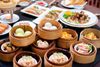
Reasonably priced, and always delectable, dim sum is a local breakfast or brunch option in Hong Kong. It consists of bite-sized portions of savory dishes, most of which are served in little bamboo steamers (pan-fried and baked dim sum are served on small plates). Instead of ordering from a menu, you can select your choice of dim sum from trolleys passing by tables within the restaurant.
You can choose from a wide range of dim sum, but the most popular ones are har gao (steamed shrimp dumplings), lohr bahk go (pan-fried turnip cake) siu mai (dumplings filled with ground pork and shrimp), and cha siu bau (soft buns filled with barbecued pork).
2. Congee
Good for: Food
Congee is usually eaten for breakfast, sometimes as a quick and easy snack throughout the day. This rice porridge comprises a base of fish stock (which gives the broth a rich taste) with a variety of toppings. Some of the most common ingredients used in congee include chopped spring onion, minced pork, mushrooms, ginger, and a century egg.

3. Egg tarts
Good for: Food
Egg tarts (daan taat in Cantonese) is a custard-type pastry that’s often hailed as the king of Hong Kong pastries. The shortcrust pastry shell is filled with an egg custard, and baked until slightly crispy. You can see egg tarts being served at many dim sum restaurants, but the best ones are usually found at Chinese bakeries – they taste even better when they’re fresh out of the oven.
4. Roast goose
Good for: Food
Roast goose restaurants in Hong Kong are easy to recognize due to the custom of hanging an entire bird in the window for all to see. It has a crispy skin with pink succulent meat. Most restaurants marinate goose in soy and sesame oil, before slow cooking it in a charcoal furnace to insure the meat stays tender.
An order of roast goose comes in bite-sized pieces layered on top of each other, along with blanched bok choy (Chinese cabbage). Enjoy it with white rice and plain soup, which complement the rather greasy meat.
5. Soft tofu pudding
Good for: Food
Soft tofu pudding is a slightly warm dessert in Hong Kong – it’s made up of silky, pudding-like soybean curd with sweet syrup. Locals usually enjoy tofu pudding after a hearty breakfast of dim sum. It’s believed to help aid digestion, especially if you’ve indulged in baked or fried dim sum.
6. Fresh seafood
Good for: Food
Fresh seafood is a common ingredient in Cantonese cuisine, thanks to the fertile waters around the island of Hong Kong. You’ll find just about any species of fish, crustacean, and molluscs swimming in tanks at restaurants, markets, and supermarkets in Hong Kong. Local favorites include grouper fish, crab, king prawns, and abalone.
7. Char siu
Good for: Food
Char siu is a sweet-savory barbecued pork with a rich marinate of honey, hoisin sauce, 5-spice powder, rice wine, and dark soy sauce. Pork loin, pork belly, and pork neck are some of the most popular cuts used for char siu, as the high fat content produce a juicy texture even after it’s roasted in high temperatures. The best way to enjoy this Hong Kong staple is with a plate of rice or noodles.
8. Hot pot
Good for: Food
The Chinese really love to eat, drink and be merry. What better way to do this than with friends or family over a cook-it-yourself hot pot? Place thinly sliced pieces of beef, chicken, fish, and pork and vegetables into a flavored broth of your choice.
The broth is usually herb-based or meat-based, and ingredients like shellfish, meatballs, noodles, and certain vegetables are often to the stock. When everything is cooked, simply ladle out the items you want to eat and enjoy them either as they are, or dipped in a sauce.
9. Chinese tea
Good for: Food
Tea is the beverage of choice for many Asian communities. For the Chinese, tea leaves (Oolong, Jasmine, and Pu Erh) are boiled in ceramic teapots before served in tiny cups. Tea drinking is an important aspect of the culture of Hong Kong, and locals believe that Chinese tea helps lower cholesterol and boost immunity.
Another popular, more modern version of Chinese tea is Hong-Kong-style milk tea, which consist of black tea mixed with evaporated or sweetened condensed milk. The taste is creamy, full-bodied, and (unsurprisingly) much sweeter than traditional Chinese tea.
10. Beef noodle soup
Good for: Food
Beef noodle soup is one of the most popular dishes in Hong Kong. This inexpensive yet comforting meal contains egg noodles, Chinese cabbage and beef broth, topped with stewed beef brisket, slices or tendon. The soup is made by boiling cow bones and plenty of local spices and herbs for hours, resulting in a rich flavor. Note that some restaurants include offal in their beef noodle soup, but you can ask them to omit it if you’re not a fan.

This article includes opinions of the Go Guides editorial team. Hotels.com compensates authors for their writing appearing on this site; such compensation may include travel and other costs.